Database Engineering & Multi-Tenant Isolation · 2026-09-11 · CVE-2026-2009 · HIGH · DATABASE AVAILABILITY

PostgreSQL Concurrent DDL & Memory Exhaustion Advisory (CVE-2026-2009): Designing Resilient Multi-Tenant RAG & SaaS Databases

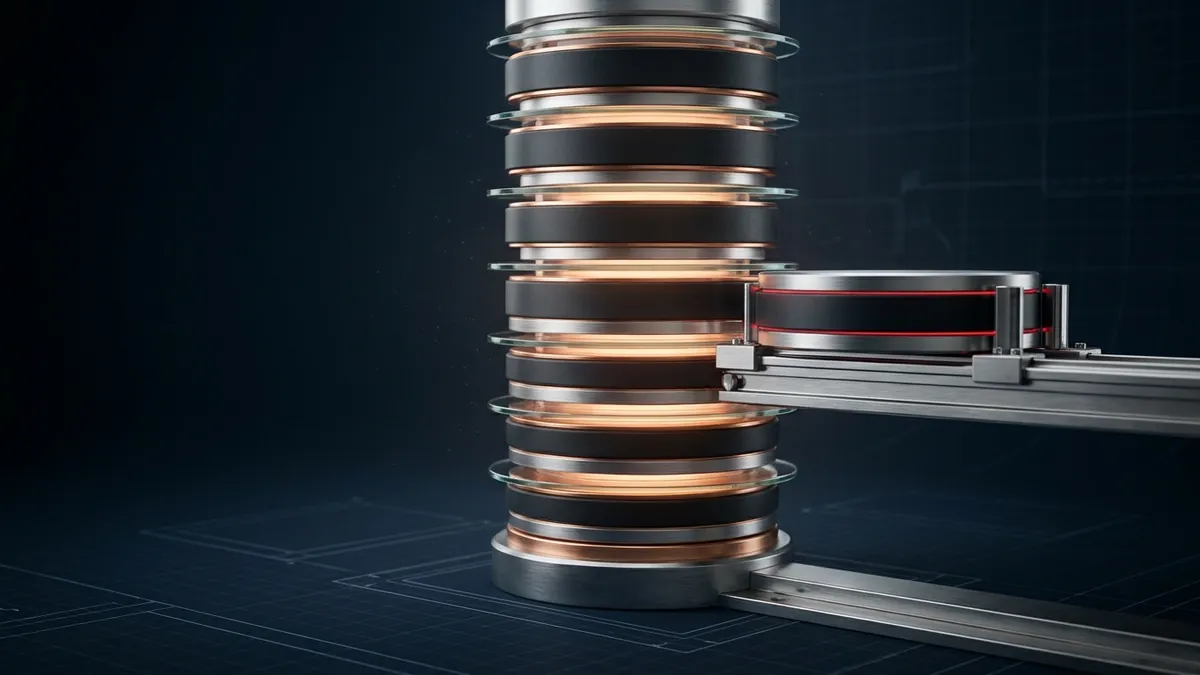
Illustration: PostgreSQL Concurrent DDL & Memory Exhaustion Advisory (CVE-2026-2009): Designing Resilient Multi-Tenant RAG & SaaS Databases
Executive Brief: CVE-2026-2009 highlighted how unguarded concurrent schema operations and recursive query planner paths in PostgreSQL can trigger memory exhaustion and lock contention across multi-tenant SaaS platforms. We detail the database engineering standards used in VeRobots.net, Partenero, and Nexus Enterprise.

Technical Incident & Architecture Analysis

When multi-tenant AI platforms run vector similarity searches (`pgvector`) alongside unthrottled tenant ingestion and schema migrations without statement timeouts or connection pooling, a single noisy tenant can stall the entire database cluster.
Olarian Defensive Architecture & Mitigation

Our database engineering architecture enforces strict per-role `statement_timeout`, `lock_timeout`, and `work_mem` caps, online zero-downtime expand/contract migrations, partitioned tenant indexes, and daily restoration-verified offsite backups.

Related Olarian Production System: 🎬 VeRobots.net →

📞 Contact & Information

📧 Direct Contact

✉️ Email: augustin@olarian.com
📱 Phone: +40 774 609 303
💬 WhatsApp: +40 774 609 303
🔗 LinkedIn: augustinolarian
🗣️ Languages: 🇬🇧 English · 🇷🇴 Romanian